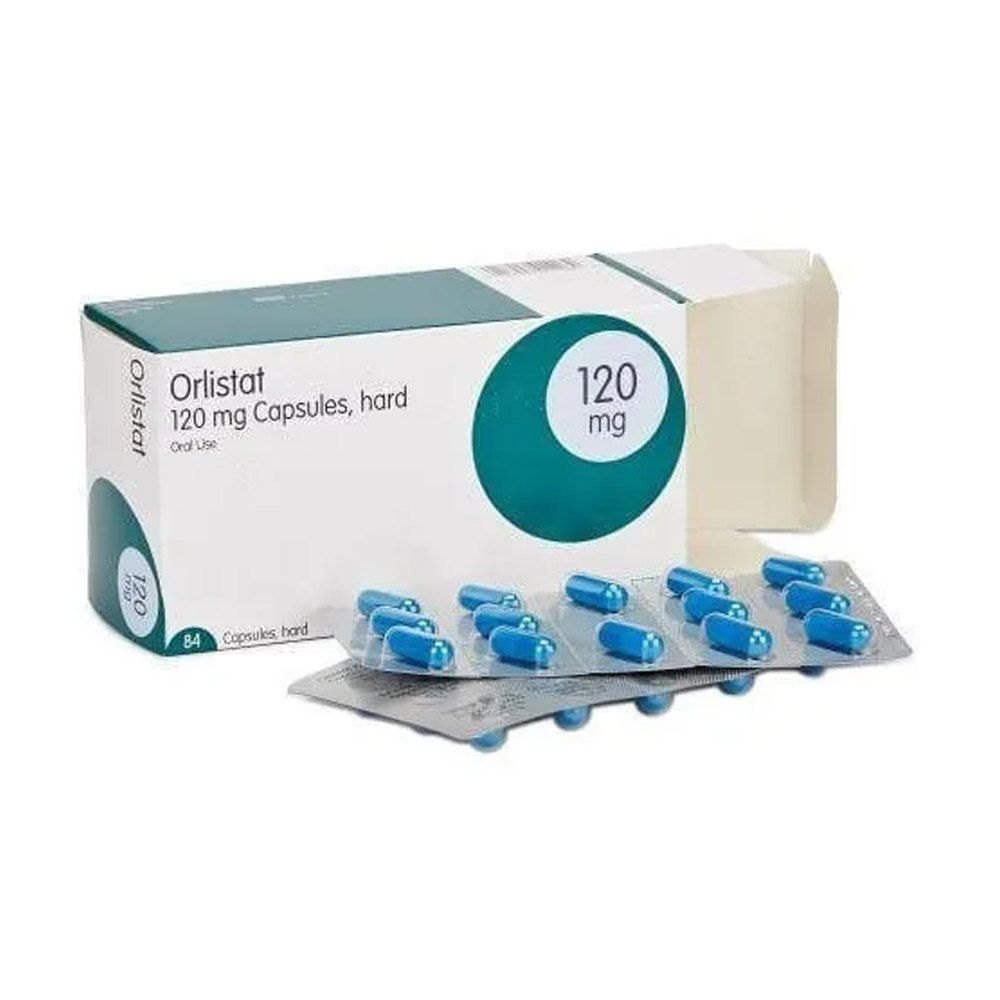
What Is Orlistat
Orlistat prevents your body from absorbing some of the fat you eat.
This medication is used to assist people lose weight or lower their chance of gaining it back. This medication needs to be taken in conjunction with a diet low in calories and more exercise. Only people who are overweight or obese should take it.
The prescription-strength version is called Xenical. You don’t need a prescription to get the Alli brand.
Precaution
If you are pregnant, avoid taking this medication.
If you have a digestive disease (problems absorbing food), you should not use this medication. If you are pregnant or have gallbladder issues, you should not use Xenical. If you are not overweight, use cyclosporine, or have had an organ transplant, avoid using Alli.
Orlistat is merely one component of a comprehensive treatment plan that also include weight control, exercise, and food. You should divide your daily consumption of fat, protein, and carbohydrates equally among all of your meals. Pay strict attention to your exercise, medicine, and food regimens.
Steer clear of a high-fat diet. When using orlistat with high-fat meals, you run the chance of experiencing unpleasant intestinal or stomach side effects.
Prior To Using This Medication
If you are pregnant, have malabsorption syndrome (an inability to effectively absorb food and nutrients), or are allergic to orlistat, you should avoid taking it.
Additionally, you shouldn’t use Xenical if you have:
- Gallbladder problems; or
- If you are pregnant.
Do not use Alli if:
- You are not overweight.
- You have had an organ transplant; or
- You are taking cyclosporine.
To make sure orlistat is safe for you, tell your doctor if you have ever had:
- Kidney stones.
- Gallbladder disease.
- Pancreatitis.
- Thyroid disease.
- Liver disease.
- Kidney disease.
- Organ transplant.
- An eating disorder (anorexia or bulimia).
How Should Orlistat Be Taken
Use precisely as prescribed by your physician or as instructed on the label. Don’t use more or less than is advised, or for longer than is advised.
Never give to someone else, especially if they have a history of eating disorders.
Read all of the instruction sheets, medication manuals, and patient information that you have been given. If you have any questions, consult your physician or pharmacist.
The medication is often taken three times a day with a main meal that has some fat (no more than thirty percent of the meal’s calories). The medication can be taken with food or up to an hour thereafter.
Don’t take your dose for a meal if you skip it or eat anything fat-free.
No more than 30% of your daily calorie intake should come from fat. For instance, if you consume 1200 calories a day, fat should make up no more than 360 of those calories.
Every food item you eat should have its label read, with a focus on the amount of servings per container. You can create a healthy eating plan with the assistance of your physician, dietitian, or nutrition counselor.
This medicine is just one component of a comprehensive treatment plan that also include diet and exercise. You should divide your daily consumption of fat, protein, and carbohydrates equally among all of your meals. Pay strict attention to your exercise, medicine, and food regimens.
You might need to take a vitamin and mineral supplement while taking orlistat since it can hinder your body’s ability to absorb some vitamins. Observe your physician’s advice regarding the kind of supplement to take. Take the supplement before going to bed or at least two hours before or after taking it.
Keep out of direct sunlight, heat, and moisture and store at room temperature. Hold the bottle firmly shut. Once the medication label’s expiration date has past, discard any leftover orlistat.
What Happens If I Miss A Dose
As soon as you remember to take the missing dose, but no later than an hour after a meal, do so. Take the medication at your next regularly scheduled time and skip the missed dose if it has been more than an hour since your previous meal. Never take more medication to make up for a missing dosage.
What Happens If I Overdose
Seek emergency medical attention or call the Poison Help line
What To Avoid
Steer clear of high-fat meals to prevent unpleasant intestinal or stomach side effects.
Avoid taking cyclosporine three hours before or after taking the medicine if you also take it.
Avoid taking levothyroxine (like Synthroid) four hours prior to or four hours following the medication.
Side Effects Of Orlistat
If you experience symptoms of an orlistat allergic reaction, including as hives, breathing difficulties, or swelling of the face, lips, tongue, or throat, seek emergency medical attention.
Call your doctor right away and stop taking orlistat if you have:
- Severe stomach pain.
- Severe pain in your lower back.
- Blood in your urine, painful or difficult urination.
- Signs of kidney problems including little or no urinating; swelling in your feet or ankles; feeling tired or short of breath; or
- Signs of liver problems including nausea, upper stomach pain, itching, tired feeling, loss of appetite, dark urine, clay-colored stools, jaundice (yellowing of the skin or eyes).
The fat-blocking effect of this medication is a common source of adverse effects. These indicate that the medication is functioning as intended. These adverse effects are typically transient and might go away if you keep taking the medication:
- Oily or fatty stools.
- Oily spotting in your undergarments.
- Orange or brown colored oil in your stool.
- Gas and oily discharge.
- Loose stools, or an urgent need to go to the bathroom, inability to control bowel movements.
- An increased number of bowel movements; or
- Stomach pain, nausea, rectal pain.
Information On Dosage
Usual Adult Dose for Obesity:
120 mg taken three times a day with each high-fat meal. The medication can be given either during or within an hour of finishing a meal.
Usual Pediatric Dose for Obesity:
12 years or older:
120 mg orally three times a day with each main meal containing fat. The dose may be taken during the meal or within 1 hour of completing the meal.
What Other Drugs Will Affect Orlistat
Ask a doctor or pharmacist if it is safe for you to use orlistat if you are also using any of the following drugs:
- Amiodarone
- Cyclosporine
- Insulin or oral diabetes medicine
- HIV or AIDS medications
- Seizure medicine (especially if your seizures get worse while taking this medicine)
- A vitamin or mineral supplement that contains beta-carotene or vitamin E; or
- A blood thinner – warfarin, Coumadin, Jantoven.
This is not an exhaustive list. This medicine may interact with other medications, like as vitamins, herbal products, and both prescription and over-the-counter medications. This drug guide does not identify every potential interaction.
Further Information
Never share your medications with others, keep this and all other medications out of children’s reach, and only take orlistat as directed.
To make sure the information on this page pertains to your specific situation, always speak with your healthcare professional.