What Is Fentanyl
Fentanyl is used to manage breakthrough pain in adults and adolescents 16 years of age and older with cancer who are already routinely taking other opioid pain medicines around-the-clock for cancer pain.
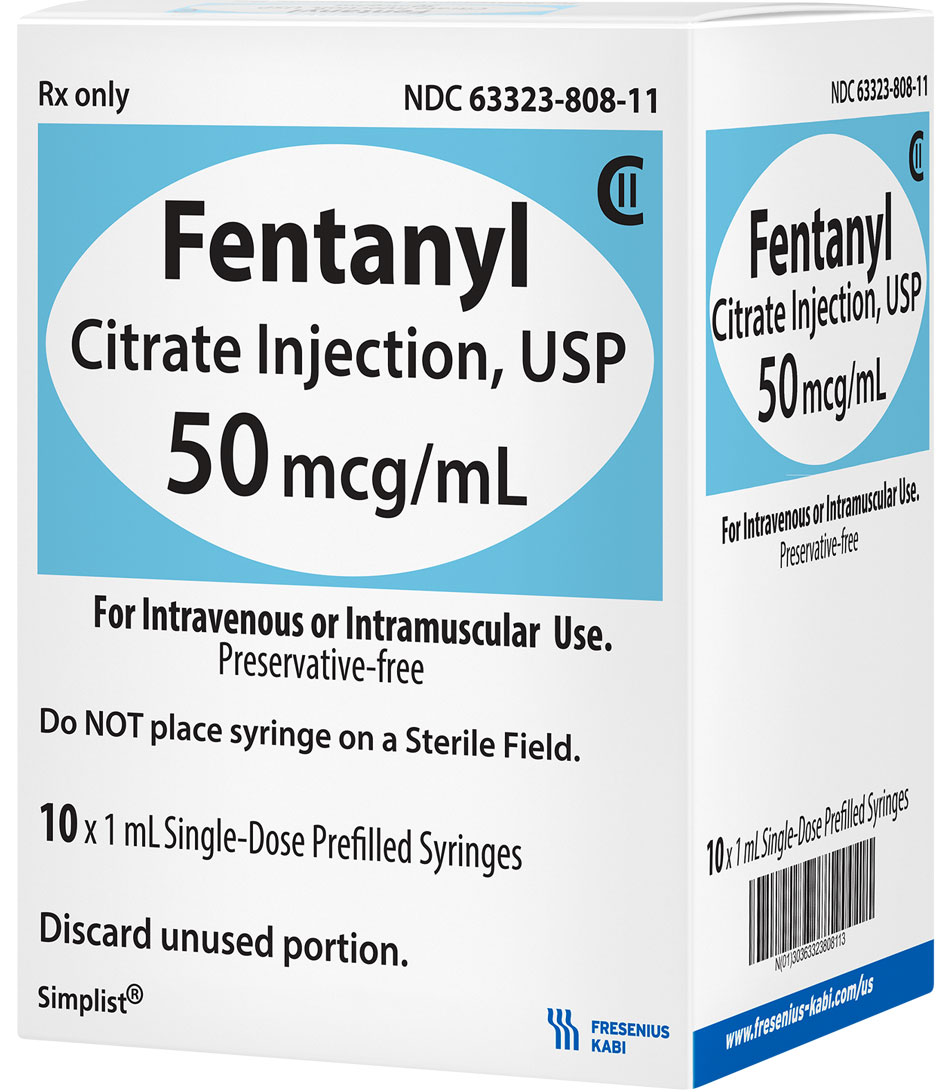
Fentanyl Citrate Injection
Fentanyl Citrate treats severe pain. It works by blocking pain signals in the brain. It belongs to a group of medications called opioids. It is prescribed to treat breakthrough pain when long-acting pain medication does not work well enough.
Fentanyl Citrate deliver fast-acting opioid analgesia for use in anaesthesia and the management of severe, acute pain unresponsive to non-opioid measures. Fentanyl is a potent μ-opioid receptor agonist with rapid onset and short duration, allowing precise titration in the peri-operative and critical-care setting.
Before, during, and after surgery, fentanyl citrate injections are used as a short-acting analgesic. They are also used to support anesthesia in patients who are at high risk or under general or regional anesthesia.
Fentanyl is a strong prescription opioid pain medicine that is started only after you have been taking other opioid pain medicines and your body has become used to them (you are opioid tolerant). Do not use fentanyl if you are not opioid tolerant.
An opioid painkiller that increases your chance of overdosing and dying. You run the risk of developing an opioid addiction, abuse, or misuse that could be fatal, even if you take your medication as directed.
Fentanyl Risks And Cautions
Fentanyl citrate can cause some serious health issues. For some groups, this risk might be substantially greater. If this concerns you, discuss other choices with your physician or pharmacist.
Breathing That Is Dangerously Slow (Respiratory Depression)
Even at regular dosages, fentanyl citrate can produce fatal respiratory depression, a severe and potentially fatal decreased breathing. The first 24 to 72 hours after taking fentanyl citrate and following a dose increase are when you are most at risk. Avoid taking fentanyl if you are opioid-intolerant, which means you don’t use opioids continuously.
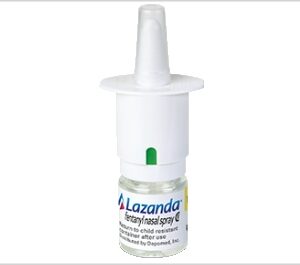
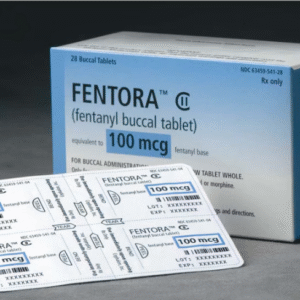
Use fentanyl citrate precisely as directed by your doctor for your own safety. Don’t change products or alter your dosage without first talking to your doctor. Other forms of fentanyl, such the patch, pills, or spray, are not equivalent to fentanyl. Without appropriate advice from your healthcare provider, never convert, switch, or replace fentanyl citrate with any other drug that contains fentanyl. You may be more susceptible to respiratory depression if you have certain diseases, so be sure to go over your whole medical history with your doctor.
If even one dose is accidentally consumed, it can cause serious respiratory issues and even death, especially in children. As a medical emergency, respiratory depression needs to be monitored and treated immediately. Fentanyl citrate should not be taken with alcohol or other drugs that can further decrease your breathing, such as benzodiazepines, sedatives, anxiety medications, and some muscle relaxants. Make an immediate call for emergency medical assistance if you have shortness of breath, sluggish breathing, fatigue or drowsiness during the day, anxiety, or disorientation.
Accidental Overdose
Fentanyl citrate overdoses can occur at appropriate dosages or when a child or loved one inadvertently consumes it. A toddler may overdose and die if they accidentally consume even one dosage. It may also occur if you take the drug more frequently or at higher dosages than recommended. Keep both used and unused medication in a safe location if you have kids living with you or if they come over often. Consult your pharmacist or the medical guide that came with your medication if you have any questions about how to properly store or dispose of fentanyl citrate.
Slowed breathing, drowsiness, weak muscles, tiny pupils, clammy or cold skin, a slow heartbeat, and unresponsiveness are signs of an overdose. Get emergency medical assistance as soon as possible if you, your kid, or anybody nearby unintentionally overdoses on fentanyl citrate.
Your doctor may prescribe naloxone (Narcan) if you live with children or other family members who are at high risk, have a history of opioid overdose, or are at high risk of overdosing. When a fentanyl citrate overdose occurs, naloxone (Narcan) can be utilized. Knowing how to administer naloxone (Narcan) in the event of an unintentional overdose is crucial for both you and your caregiver. Because naloxone’s effects are transient, you will still need to contact for emergency medical assistance even if you use it to treat an overdose.
Interactions With Other Medications
Your body’s levels of fentanyl citrate can change if you take some medications with fentanyl citrate or abruptly cease taking some medications. For instance, using ritonavir (Norvir), ketoconazole, or erythromycin (Ery-Tab) increases fentanyl citrate levels, which increases adverse effects such breathing difficulties. Other drugs that diminish fentanyl citrate levels in your body, such as phenytoin (Dilantin), carbamazepine (Tegretol), or rifampin (Rifadin), can cause withdrawal symptoms or less pain relief. Your doctor may need to change the dosage or medications you take in certain circumstances. Ask your doctor or pharmacist if it’s okay to keep taking fentanyl citrate if you start or stop taking any drugs.
Slowed Brain Function And Decreased Alertness
When fentanyl citrate is combined with alcohol or other drugs, such as benzodiazepines, sleep aids, antipsychotics, muscle relaxants, or other opioids, it slows down brain activity and can cause extreme drowsiness, decreased respiration, coma, and even death. Work with your healthcare provider to take the lowest dose for the shortest period of time if you are taking any of these medications now or in the future. Before operating a vehicle or engaging in activities requiring focus, be sure to understand how this drug affects you due to the possibility of excessive sleepiness.
If you have a history of substance misuse, let your provider know for your own safety. If you have extreme tiredness, dizziness, low heart rate, delayed breathing, headache, muscle weakness, slurred speech, blurred vision, or disorientation, call for emergency medical assistance immediately.
Potential For Addiction, Abuse, And Misuse
Even utilizing fentanyl citrate at the correct dosage might result in abuse, misuse (using it for purposes other than indicated), or addiction. Serious issues including overdose and death may result from this. If you have a history of substance or alcohol misuse or mental health issues like depression, your risk is higher. Your doctor will prescribe the least dose of fentanyl citrate for the shortest amount of time in order to reduce this danger. To keep used and unused medication from coming into contact with other people, it’s also critical to store and discard it appropriately.
Withdrawal In Newborn Babies
If you take fentanyl citrate for an extended period of time while pregnant, your fetus may develop an opioid dependence similar to your own. Your newborn may go through withdrawal symptoms similar to what would happen if you abruptly stopped using the drug. Your baby may exhibit high-pitched cries, poor feeding and sucking habits, shaking, irritability, irregular sleep patterns, and convulsions as withdrawal symptoms. Neonatal opioid withdrawal syndrome is a disorder that can be fatal if not identified and treated promptly. Inform your doctor if you used fentanyl citrate while pregnant or if your unborn child exhibits these symptoms.
Low Hormone Levels (Adrenal Insufficiency)
Low cortisol levels (adrenal insufficiency) can result from using opioids such as fentanyl citrate, particularly for more than a month. Blood pressure, blood sugar, stress, and mood are all regulated by cortisol. Inform your healthcare provider if you have symptoms like nausea, vomiting, appetite loss, fatigue, weakness, or dizziness so that testing can be carried out. Your doctor will treat you with corticosteroids if your cortisol levels are too low. You may also be gradually weaned off of fentanyl citrate or, if required, switched to another drug.
Low Blood Pressure And Heart Rate
Severe hypotension, including a drop in blood pressure while standing from a sitting or laying posture, can be brought on by fentanyl citrate. Dizziness and fainting may result from this. If you use certain antipsychotics, such as phenothiazines, or drugs for high blood pressure, your risk is increased. After sitting for a long time, be cautious when getting up, and remember to return to your seat if you feel lightheaded or faint. When using fentanyl citrate for the first time or when changing dosages, there is an increased risk of low blood pressure. A slower heart rate is another effect of fentanyl citrate. If you have a history of cardiac issues, such as irregular heartbeats (arrhythmias), be careful to inform your physician. Consult your healthcare provider if lightheadedness or dizziness persists.
Seizures
If you have a history of seizures, fentanyl citrate may increase that risk. Tell your healthcare practitioner as soon as possible if using fentanyl citrate has made your seizures worse or more difficult to control.
Side Effects Of Fentanyl Citrate
As your body adjusts to the drug, the following adverse effects might become less severe over time. If these symptoms persist or get worse over time, let your doctor know right once.
Common Side Effects
- Nausea (45%)
- Weakness (38%)
- Vomiting (31%)
- Shortness of breath (22%)
- Constipation (20%)
- Headache (20%)
- Dizziness (16%)
- Anxiety (15%)
- Sleepiness (15%)
Less Common Side Effects
- Accidental injury
- Stiff muscles
- Confusion
- Depression
- Trouble sleeping
- Dry mouth
- Abnormal walking
- Nervousness
- Rash
- Sweating
Fentanyl Citrate Serious Side Effects
Contact your healthcare provider immediately if you experience any of the following;
- Overdose: Not responding to sound or touch, slowed breathing, sleepiness, muscle weakness, small pupils, cold or clammy skin, slow heart rate, coma.
- Serious allergic reaction: Hives, shortness of breath, chest tightness, swelling of lips, tongue, face, or eyes.
- Slowed breathing
- Withdrawal in newborn babies: Irritability, overactivity, abnormal sleeping pattern, excessive or high-pitched crying, body shaking (tremor), vomiting, diarrhea, unable to gain weight, breathing problems, fever, sweating, seizures
- Adrenal insufficiency (low cortisol levels): Nausea, vomiting, stomach pain, low appetite, tiredness, weakness, dizziness, low blood pressure
- Withdrawal: Restlessness, runny nose, yawning, sweating, chills, widened pupils, irritability, anxiety, suicidal thoughts