Saxenda: What Is It?
Adults who are obese or overweight and have health issues related to their weight are prescribed Saxenda (liraglutide) to help them lose weight and maintain it. Children between the ages of 12 and 17 who are obese and weigh more than 132 pounds (60 kg) can use this medication. It is taken in conjunction with exercise and a nutritious diet.
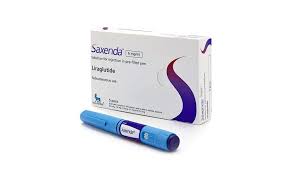
This medication is administered subcutaneously (under the skin) once daily using a multi-dose injectable pen.
Liraglutide, the active component of Victoza, is also present in this medicine. Victoza and Saxenda differ in that they are FDA-approved for various conditions and have different strengths.
Neither type 1 nor type 2 diabetes can be treated with this medication. This medication safety and efficacy in children under the age of twelve is unknown. The safety and efficacy of this medicine in children with type 2 diabetes between the ages of 12 and 17 is unknown.
How Does Saxenda Function
Saxenda aids in weight loss by reducing hunger and slowing the emptying of the stomach, which prolongs feelings of fullness and reduces caloric intake. it is comparable to a naturally occurring hormone that aids in the regulation of blood sugar, insulin, and digestion. It is a member of the group of medications known as glucagon-like peptide-1 (GLP-1) agonists.
What Is The Purpose Of Saxenda
The FDA has authorized this medication for both weight loss and weight maintenance. It can be used for:
Adults:
- obese adults (BMI 30 kg/m2 or greater)
- overweight adults (BMI 27 kg/m2 or greater) who also have weight-related medical problems e.g., hypertension, type 2 diabetes mellitus, or dyslipidemia.
Pediatric patients aged 12 years and older:
- Body weight above 60 kg and
- Their initial BMI corresponding to 30 kg/m2 or greater for adults (obese) by international cut-offs (Cole Criteria)
Before Using Saxenda
This medication should not be taken if you have a liraglutide allergy or if you have:
- Multiple endocrine neoplasia type 2 (tumors in your glands);
- A personal or family history of medullary thyroid carcinoma (a type of thyroid cancer); or
- Diabetic ketoacidosis (call your doctor for treatment).
It should not be used in conjunction with insulin or other medications such as liraglutide (albiglutide, dulaglutide, exenatide, Byetta, Bydureon, Tanzeum, Trulicity).
To ensure that this medicine is safe for you, let your physician know if you have:
- Stomach problems causing slow digestion;
- Kidney or liver disease;
- High triglycerides (a type of fat in the blood);
- Heart problems;
- A history of problems with your pancreas or gallbladder; or
- A history of depression or suicidal thoughts
- Are planning surgery or other procedure that uses anesthesia or deep sedation.
Thyroid cancer or tumors were brought on by liraglutide in animal experiments. It is unknown if individuals using frequent doses would experience these side effects. Discuss your risk with your physician.
It potential to damage an unborn child is unknown. If you are or intend to become pregnant, let your doctor know.
It is unknown if liraglutide affects the breastfeeding infant or if it enters breast milk. If you are nursing, let your doctor know.
The FDA has not authorized the use of this medication by anybody under the age of eighteen.
How should Saxenda Be Used
This medication is typically administered once daily. Observe all instructions on the label of your prescription. Occasionally, your doctor could adjust your dosage. This medication should not be taken in excess of the recommended dosage or duration.
Victoza and Saxenda should not be taken together. Although the active ingredient in these two brands is the same, they shouldn’t be combined.
Read all of the instruction sheets, medication manuals, and patient information that you have been given. If you have any questions, consult your physician or pharmacist.
At any time of day, with or without food, the medication is injected beneath the skin. The use of injections at home will be demonstrated to you. If you don’t know how to administer the injection and dispose of used needles and syringes correctly, don’t self-inject this medication.
The medication is supplied in an injectable pen that is already filled. Find out from your pharmacist what kind of needles work best with your pen.
The optimal locations on your body to inject it will be demonstrated by your healthcare provider. Every time you administer an injection, use a different location. Avoid injecting twice into the same location.
If the medicine have particles or has changed color, do not use it. For new medication, give your pharmacist a call.
Additionally, keep an eye out for symptoms of hyperglycemia, or elevated blood sugar, such as fatigue, headaches, blurred vision, and excessive thirst or urine.
Stress, disease, surgery, physical activity, alcohol consumption, and meal skipping can all have an impact on blood sugar levels. Before altering your prescription regimen or dosage, see your doctor.
A disposable needle should only be used once. Observe any local or state regulations regarding the disposal of spent syringes and needles. Use a “sharps” disposal container that is impervious to punctures (ask your pharmacist where to find one and how to dispose of it). Pets and children should not be able to access this container.
This medicine is just one component of a comprehensive treatment plan that may include regular blood sugar tests, nutrition, exercise, weight control, and specialized medical care. Pay close attention to what your doctor says.
Keep injection pens that haven’t been opened in the refrigerator. It should not be frozen, if it has, discard the drug. If the label’s expiration date has passed, do not use an unopened injection pen.
Storing After Your First Use
“In-use” injection pens can be stored at ambient temperature or in the refrigerator. Keep the pens out of the sun, heat, and dampness. Use it within 30 days. When storing an injectable pen, take out the needle and leave the cap on when not in use.
Dosing Information
Typical Adult Weight Loss Dosage:
To lessen the possibility of gastrointestinal effects, dose escalation should be adhered to; if needed, dose escalation may be postponed for an extra week:
- Week 1: Inject 0.6 mg subcutaneously once a day
- Week 2: Inject 1.2 mg subcutaneously once a day
- Week 3: Inject 1.8 mg subcutaneously once a day
- Week 4: Inject 2.4 mg subcutaneously once a day
- Week 5: Inject 3 mg subcutaneously once a day
Maintenance Dose:
3 mg subcutaneously once daily; ending is advised if the maintenance dose is not tolerated; lesser doses have not been shown to be effective for long-term weight control.
Comments:
- No other GLP-1 receptor agonist should be taken in conjunction with this medication.
- Its safety and efficacy when used with other weight-loss treatments, such as over-the-counter medications, prescription medications, and herbal remedies, have not been disclosed.
- It is unlikely that the patient will attain and maintain clinically significant weight loss with ongoing treatment if 4% or more of body weight has not been reduced by the 16-week mark.
What Happens If I Miss A Dose
If you forget to take your daily dose, take it as soon as you recall. The next day, take your next daily dose as usual. Avoid taking an additional dose or raising your dosage the next day to make up for a missed dose.
Give your doctor a call to discuss how to resume your therapy if you have missed three or more doses.
What should I Avoid While Using Saxenda
Even if the needle has been replaced, you should never share an injectable pen, cartridge, or syringe with someone else. Infections or diseases can spread from one person to another when these gadgets are shared.
This medication should not be used in conjunction with diet pills, appetite suppressants, or other weight loss treatments.
Saxenda Side Effects
If you experience any of these symptoms such as, rapid heartbeats, lightheadedness, difficulty breathing or swallowing, or swelling of your face, lips, tongue, or throat, you should seek emergency medical attention.
Contact your physician right away if you have:
- Racing or Pounding Heartbeats.
- Sudden changes in Mood or Behavior, Suicidal Thoughts.
- Severe ongoing Nausea, Vomiting, or Diarrhea.
- Signs of a Thyroid Tumor; Swelling or a Lump in your Neck, trouble Swallowing, a Hoarse Voice, feeling Short of Breath;
- Gallbladder Problems; Fever, Upper Stomach Pain, Clay-colored Stools, Jaundice (yellowing of your skin or eyes);
- Symptoms of Pancreatitis; Severe Pain in your Upper Stomach spreading to your Back, Nausea with or without vomiting, Fast Heart Rate;
- Severely Low Blood Sugar; Extreme Weakness, Confusion, Tremors, Sweating, Fast heart rate, trouble Speaking, Nausea, Vomiting, Rapid breathing, Fainting, and Seizure (convulsions).
- Kidney Problems; Little or no Urination, Painful or Difficult Urination, Swelling in your Feet or Ankles, feeling Tired or Short of Breath.
Patients taking GLP-1 receptor agonists undergoing elective surgeries or procedures have been documented to experience pulmonary aspiration during general anesthesia or severe sedation. Patients should be advised to notify medical professionals of any planned surgeries or treatments.
Common Saxenda side effects may include:
- Nausea (especially when you start using the medication), Vomiting, Stomach Pain.
- Increased Heart Rate.
- Diarrhea, Constipation.
- Headache, Dizziness.
- Feeling Tired.
What Other Drugs Will Affect Saxenda
Your body may take longer to absorb any medications you take orally, this medication slows down your digestion.
Inform your physician about all the medications you take now and any you start or stop taking, particularly:
- Insulin.
- Oral Diabetes Medicine; Glucotrol, Metaglip, Amaryl, Avandaryl, Duetact, DiaBeta, Micronase, Glucovance, and others.
This is not an exhaustive list. Liraglutide may interact with other medications, such as vitamins, herbal items, and prescription and over-the-counter medications. This drug guide does not identify every potential interaction.
Further Information
Never share your medications with others, keep this and all other medications out of children’s reach, and only use the medication as directed.
To make sure the information on this page pertains to your specific situation, always speak with your healthcare professional.