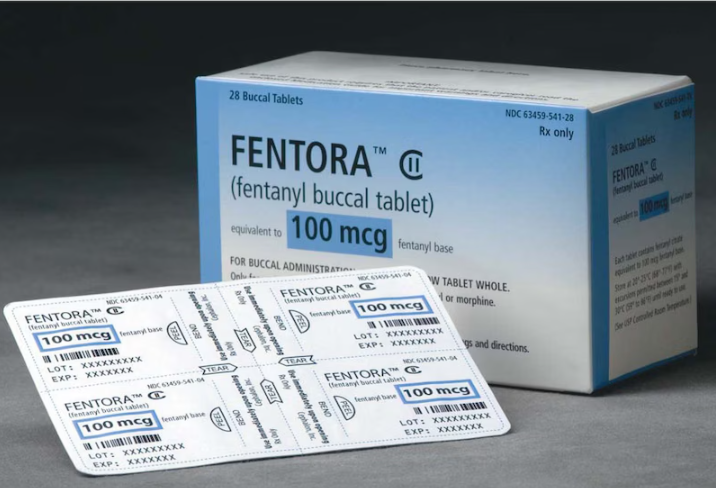
What Is Fentora (fentanyl buccal)
Fentora is a strong pain medication used to treat breakthrough cancer pain in people who already take around-the-clock opioid pain medications. It is a tablet that dissolves and is applied under your tongue or on the inside of your cheek. If you’re older than eighteen, you can use it, but because of the possibility of abuse, addiction, and overdose, it needs to be closely watched.
An opioid painkiller is called Fentora. Sometimes, an opioid is referred to as a narcotic.
Fentora buccal tablets are used to treat “breakthrough” cancer pain that other medications were unable to manage.
The tablets are placed in the mouth, but they are not completely consumed. The tablet is positioned either on the floor of your mouth, beneath your tongue (sublingual) or between your cheek and gums (buccal).
Warnings
Buccal/sublingual fentanyl should only be used in cancer patients for whom alternative treatment options (such as non-opioid analgesics or immediate-release opioids) are ineffective, not tolerated, or would not be sufficient to provide adequate pain management due to the risks of addiction, abuse, misuse, overdose, and death with opioids, which can occur at any dosage or duration and persist over the course of therapy.
Fentanyl may cause you to develop a habit and slow or stop your breathing. Just take the amount that is recommended. Never give someone else access to Fentora.
ADDICTION, OVERDOSE, OR DEATH MAY OCCUR FROM MISUSE OF NARCOTIC PAIN MEDICINE, PARTICULARLY IN A CHILD OR OTHER PERSON USING THE MEDICINE WITHOUT A PERMIT.
If you take this medication with alcohol or other medications that make you sleepy or slow your breathing, you may experience fatal adverse effects.
Before Consuming This Medication
If you are already taking an opioid medication around-the-clock and are tolerant to it, do not use Fentora. You should not use this medication if you are allergic to fentanyl, or if you have:
- Severe asthma or other breathing problems; or
- A stomach or bowel obstruction (including paralytic ileus).
To make sure this medicine is safe for you, tell your doctor if you have ever had:
- Breathing problems, sleep apnea
- Any type of breathing problem or lung disease
- A head injury, brain tumor, or seizures
- Low blood pressure, slow heartbeats or other heart rhythm disorder
- Drug or alcohol addiction, depression, schizophrenia, or hallucinations
- Liver or kidney disease
- Urination problems; or
- Problems with your thyroid, gallbladder, or pancreas.
Fentora use during pregnancy increases the risk of drug dependence in the unborn child. After birth, the baby may experience potentially fatal withdrawal symptoms. Newborns who are hooked on drugs that cause addiction may require medical care for a few weeks. If you are or intend to become pregnant, let your doctor know.
Do not breast-feed while you are using this medicine.
How Should Fentora Be Use
Follow your doctor’s instructions when using Fentora. Observe all instructions on the label of your prescription. Your breathing may be slowed or stopped by fentanyl. Never take this medication longer than is recommended or in greater quantities. If the medication seems to be less effective at reducing your pain, let your doctor know.
Even at regular dosages, fentanyl has the potential to become addictive. Never give this medication to anybody else, especially if they have a history of drug addiction or misuse. ADDICTION, OVERDOSE, OR DEATH MAY OCCUR FROM MISUSE OF NARCOTIC MEDICATION, PARTICULARLY IN PEOPLE WHO USE THE MEDICATION WITHOUT A PERMIT. It is illegal to sell or distribute fentanyl.
Read all of the instruction sheets, medication manuals, and patient information that you have been given. If you have any questions, consult your physician or pharmacist.
Your buccal or sublingual dose may alter if you have been taking another type of fentanyl (injection, skin patch, or “lollipop” device).
Fentora pills should not be crushed, split, sucked, chewed, or swallowed whole. Your breakthrough cancer pain will be less relieved.
After using the medicine, wait 30 minutes. You can drink a glass of water to assist you swallow any leftover medication if any of the tablet is still in your mouth.
A Fentora tablet can be inserted between your upper cheek and gums, above a back molar tooth. For every dosage, switch (alternate) sides of your mouth. Another option is to put a pill under your tongue on the floor of your mouth. Lift your tongue before putting the tablet beneath your tongue, then drop your tongue over the tablet.
For a breakthrough cancer pain episode, take one dose of Fentora.
You can take one additional dose of Fentora as directed by your healthcare professional if your breakthrough cancer pain does not improve 30 minutes after taking the first dose. For any instance of breakthrough cancer pain, you are not allowed to take more than two doses.
Contact your healthcare provider for advice if the second dose does not relieve your breakthrough pain. At this point, don’t take another dose.
Before using this medicine to treat a fresh episode of breakthrough cancer pain, wait at least four hours.
If you only need to take one dose of this medication for a breakthrough pain episode, you have to wait four hours after that dose before taking another dose for another breakthrough pain episode.
If you need to take two doses of the medication for a breakthrough pain episode, you have to wait four hours after the second dose before taking another dose.
While taking this medication, it is crucial that you continue to take your 24-hour opioid pain medication.
If your Fentora dosage doesn’t help your breakthrough cancer pain, speak with your doctor. If your dose has to be adjusted, your doctor will make that decision.
If you experience breakthrough cancer pain more than four times a day, speak with your doctor. You may need to change the dosage of your 24-hour opioid painkiller.
Rinse your mouth with water and immediately spit the remaining tablet pieces into a sink or toilet if you start feeling lightheaded, nauseous, or extremely sleepy before the tablet has completely disintegrated. To get rid of any leftover tablet fragments, flush the toilet or rinse the sink.
You or your caregiver should contact for emergency medical assistance or have someone drive you to the closest hospital emergency department if you overdose on the medication.
Avoid abruptly quitting fentanyl to avoid uncomfortable withdrawal symptoms. Find out from your doctor how to quit using fentanyl safely.
Never mix a Fentora tablet with a liquid to inject the medication into your vein or crush or break one to inhale the powder.
Keep out of direct sunlight and moisture and store at room temperature. Avoid freezing. Make sure that no one else can access your medication. Record how much medication is used from each new bottle. Since fentanyl is a drug of abuse, you should be concerned if someone is abusing or using your medication without a prescription.
Keep children and pets away from this medication. If a child or pet unintentionally sucks on or swallows a Fentora tablet, the amount of fentanyl in it could be lethal. If this occurs, get emergency medical help.
Leftover opioid medicine should not be stored. When someone uses this medication inadvertently or incorrectly, a single dose can be fatal.
When this medication is no longer needed, carefully follow the disposal instructions. Find out from your pharmacist where a drug take-back disposal program is located. Unused fentanyl tablets should be disposed of by taking them out of the blister pack and flushing them down the toilet if there isn’t a take-back program.
Typical Dosage For Fentora
Together, you and your provider will determine the appropriate dosage of fentanyl (Fentora) for your specific requirements. To manage your pain, it is advised to take the least amount of medication for the shortest amount of time.
To treat one episode of breakthrough pain, the usual first dosage is one tablet (100 mcg) placed under your tongue (sublingually) or between your cheek and gums (buccally). You can take one more tablet if you experience pain half an hour after taking the first one. For a single episode of breakthrough pain, do not take more than two pills.
What Happens If I Miss A Dose
You are unlikely to forget to take a dose of Fentora because it is used to treat pain. If your next scheduled dose is soon due, skip any missed doses. Never take more medication to make up for a missing dosage.
What Happens If I Overdose
Contact the Poison Help line or seek emergency medical treatment. Overdosing on fentanyl can be lethal, particularly in children or other individuals who use the drug without a prescription. Extreme tiredness or sleepiness, a weak pulse, clammy, cold skin, pinpoint pupils, and slow breathing (which may stop) are all signs of an overdose.
What Should I Avoid While Using Fentora
Your thoughts and reactions may be affected by this medication. Until you understand how this medication will impact you, stay away from using machinery or driving. Falls and other mishaps can result from extreme sleepiness or dizziness.
Avoid consuming alcohol. There could be fatal consequences or dangerous adverse effects.
Fentanyl may interact with grapefruit and grapefruit juice, resulting in undesirable side effects. When taking this medication, stay away from grapefruit products.
Fentora Side Effects
If you have symptoms of an allergic response to this medication, such as hives, breathing difficulties, or swelling of your face, lips, tongue, or throat, get emergency medical attention.
Fentanyl slows respiration, just like other narcotic drugs. If breathing becomes too weak, death may result. If you have blue lips, slow breathing with extended pauses, or difficulty waking up, the person taking care of you should get emergency medical attention.
Contact your physician right away if you have:
- Slow heart rate, sighing, shallow breathing, breathing that stops during sleep
- Severe drowsiness, feeling like you might pass out
- Confusion, extreme fear, unusual thoughts or behavior; or
- Low cortisol levels – nausea, vomiting, loss of appetite, dizziness, worsening tiredness or weakness.
If you experience any of the symptoms of serotonin syndrome—such as agitation, hallucinations, fever, sweating, shivering, rapid heartbeat, muscle stiffness, twitching, lack of coordination, nausea, vomiting, or diarrhea—get medical help immediately away.
Older folks and those who are malnourished or disabled may be more susceptible to serious adverse effects.
Long-term opioid prescription use may have an impact on a person’s ability to conceive. The long-term consequences of opioids on fertility are unknown.
Typical adverse effects of Fentora could be:
- Headache, dizziness, drowsiness, pale skin, feeling weak or tired
- Constipation, nausea, vomiting; or
- Swelling in your hands or feet.
What Other Drugs Will Affect Fentora
Certain medications may increase or decrease the amount of fentanyl in your blood, which could have negative effects or reduce the effectiveness of this medicine. If you also use certain antibiotics, antifungals, blood pressure or heart medications, or treatments for HIV or AIDS, let your doctor know.
Fentanyl can have lethal adverse effects and interact with numerous other medicines. Make sure your physician is aware if you also use:
- Cold or allergy medicines, bronchodilator asthma/COPD medication, or a diuretic (“water pill”)
- Medicines for motion sickness, irritable bowel syndrome, or overactive bladder
- Other narcotic medications – opioid pain medicine or prescription cough medicine
- A sedative like Valium – diazepam, alprazolam, lorazepam, Xanax, Klonopin, Versed, and others
- Drugs that make you sleepy or slow your breathing – a sleeping pill, muscle relaxer, medicine to treat mood disorders or mental illness; or
- Drugs that affect serotonin levels in your body – a stimulant, or medicine for depression, Parkinson’s disease, migraine headaches, serious infections, or nausea and vomiting.
This is not an exhaustive list. Vitamins, herbal supplements, and both prescription and over-the-counter medications may interact with fentanyl. This drug guide does not identify every potential interaction.
Fentora Contraindications
Contraindications are particular medical conditions or circumstances where a medicine should not be taken because of safety concerns. Fentora is not safe for you to take if you have certain conditions. Please let your healthcare provider know.
Fentora is a medication containing fentanyl, a potent opioid pain reliever. While it can be effective for managing severe pain, there are significant risks associated with its use:
- Addiction: Fentanyl, like other opioids, has a high potential for addiction. Continued use can lead to physical dependence, where the body requires the drug to function normally.
- Overdose: Fentanyl is much stronger than other opioids like morphine or oxycodone. Taking too much Fentora can result in respiratory depression, coma, or even death.
- Respiratory Depression: Fentanyl can slow down breathing, particularly in higher doses or when combined with other central nervous system depressants like alcohol or benzodiazepines. This can be life-threatening.
- Withdrawal Symptoms: Stopping this medication suddenly after prolonged use can lead to withdrawal symptoms such as nausea, vomiting, diarrhea, muscle pain, and anxiety.
- Tolerance: Over time, individuals may develop a tolerance to this medicine, requiring higher doses to achieve the same level of pain relief. This can increase the risk of overdose and other adverse effects.
- Misuse and Abuse: This medication is sometimes abused for its euphoric effects. Crushing and snorting the medication or injecting it can significantly increase the risk of overdose and other complications.
- Interactions: It can interact with other medications, particularly other central nervous system depressants, leading to dangerous side effects or reduced effectiveness.
- Respiratory Conditions: Individuals with pre-existing respiratory conditions, such as asthma or chronic obstructive pulmonary disease (COPD), may be at higher risk of respiratory depression when taking this medication.
- Pregnancy and Breastfeeding: This medicine should be used with caution during pregnancy and breastfeeding, as it can pass into breast milk and potentially harm the baby.
- Accidental Exposure: It is a potent medication, and accidental exposure, especially to children or pets, can lead to overdose and death. It should be stored securely and kept out of reach of others.
It’s crucial for individuals who are prescribed this medication to use it exactly as directed by their healthcare provider and to be aware of the signs of overdose or other adverse effects. Additionally, regular communication with healthcare providers can help manage risks and ensure safe use.