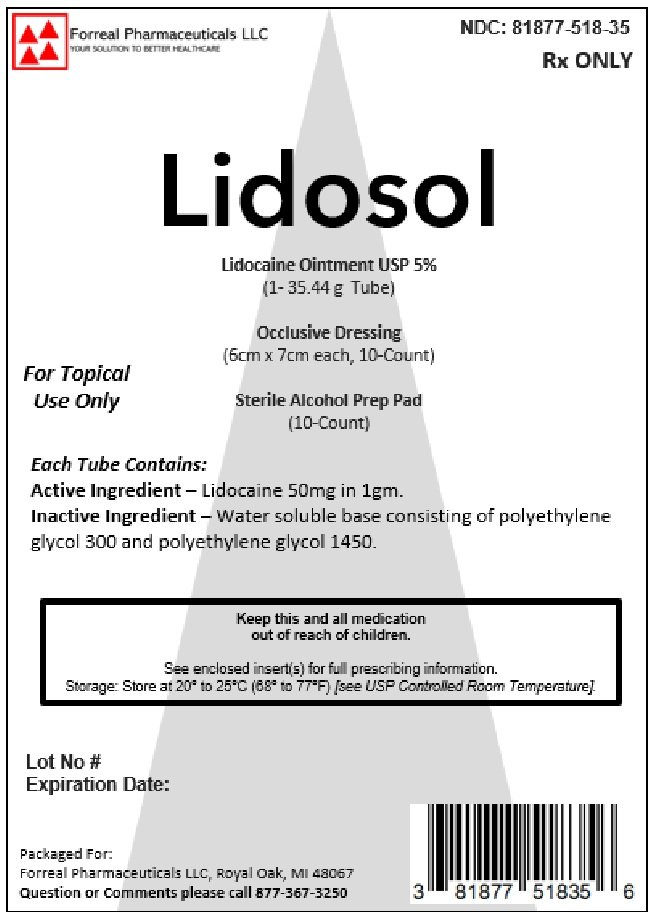
What Is Lidosol-50 (Topical lidocaine)
Lidosol-50 (Topical lidocaine) treats pain. It numbs the area where it is applied, which blocks your nerves from sending pain signals to your brain. It belongs to a group of medications called local anesthetics.
Lidocaine Ointment USP, 5% is indicated for production of anesthesia of accessible mucous membranes of the oropharynx.
It is also useful as an anesthetic lubricant for intubation and for the temporary relief of pain associated with minor burns, including sunburn, abrasions of the skin, and insect bites.
Products containing Lidosol-50 (topical lidocaine) are applied to the skin’s surface. They are frequently used to provide short-term pain, burning, and itching relief from a variety of ailments, including sunburns, scrapes, small wounds, and skin irritations. Additionally, they are utilized to reduce pain and suffering during skin or medical operations.
What Is Lidosol-50 (Topical lidocaine) Used For
They are typically used to provide short-term pain, burning, itching, or discomfort alleviation from:
- Minor burns
- Sunburns
- Minor cuts
- Scrapes
- Insect bites
- Minor skin irritations
- Joint and muscle pain
- Hemorrhoids and other irritations in the anal area
- Tattoos, piercings, microblading, and other skin procedures
How Lidosol-50 (topical lidocaine) Works
By numbing the nerves and reducing their sensitivity to pain or irritation, Lidosol-50 (topical lidocaine) medicines reduce pain and skin irritation. Since lidocaine is a local anesthetic, it only reduces pain in the skin that is in close proximity to or in direct touch with the drug.
Side Effects Of Lidosol-50 (topical lidocaine)
As your body adjusts to the drug, the following adverse effects might become less severe over time. If these symptoms persist or get worse over time, let your doctor know right once.
Common Side Effects
- Lightheadedness
- Dizziness
- Feeling sleepy and tired
- Ringing in the ears
- Blurry or double vision
- Vomiting
- Feeling hot, cold, or numb
- Twitching, shaking
- Seizures
- Coma
- Trouble breathing
- Slow heart rate
- Low blood pressure
Less Common Side Effects Of Lidosol-50
- Nervousness
- Overwhelming feeling of happiness and joy
- Feeling confused
Lidosol-50 Serious Side Effects
If you encounter any of the following, get in touch with your healthcare physician right away.
- Blood problems (methemoglobinemia): Methemoglobinemia-related blood issues include seizures, unconsciousness, rapid heartbeat, breathing difficulties, lightheadedness or fainting, fatigue, and blue skin.
- Excessive levels of lidocaine can cause drowsiness, disorientation, a sluggish heartbeat, breathing difficulties, and trouble regulating your muscles.
- Severe allergic reactions: Face swelling, breathing difficulties, difficulty speaking, constriction of the throat, red and itchy rash, dizziness, and clammy skin
Risks And Warnings For Lidosol-50 (Topical lidocaine)
There are potentially major health risks associated with Lidosol-50 (topical lidocaine). For some groups, this risk might be substantially greater. If this concerns you, discuss other choices with your physician or pharmacist.
Using too much medication
Use Lidosol-50 (topical lidocaine) only as prescribed by your physician. This drug may accumulate in your body if you use it more frequently or at a larger dose than advised. Before applying topical lidocaine to badly injured skin or infected wounds, consult your physician. Your body may absorb large levels of lidocaine as a result of certain circumstances. Serious side effects, including seizures, breathing difficulties, low blood pressure, a slow heartbeat, and abrupt cardiac arrest, can result from taking too much lidocaine. If you have any effects while taking topical lidocaine, seek medical attention immediately.
Blood problem (methemoglobinemia)
Methemoglobinemia, a dangerous blood condition when your red blood cells are unable to supply your body with enough oxygen, can be brought on by Lidosol-50 (lidocaine 5% ointment). If you have low G6PD, a genetic disorder that causes your red blood cells to rupture or fragment, your risk is increased. Use caution while applying topical lidocaine near oxidizing substances like hydrogen peroxide and chlorine. Common home items like hair dye and cleaning supplies may include these chemicals. After using topical lidocaine, methemoglobinemia may develop right away or within a few hours. The first symptoms include fatigue, headaches, and blue skin. Seek immediate medical attention to prevent more severe and potentially fatal side effects, such as seizures, unconsciousness, and irregular heartbeats.
Overdosage
High plasma levels experienced after the therapeutic use of local anesthetics are typically linked to acute emergencies caused by these drugs.
Handling situations involving local anesthetics
The first factor is prevention, which is best achieved by closely monitoring respiratory and cardiovascular vital signs as well as the patient’s level of consciousness following each local anesthetic dose. Oxygen should be given as soon as there is a change.
Maintaining a patent airway, assisted or regulated breathing with oxygen, and a delivery device that allows for quick positive airway pressure by mask are the first steps in the therapy of convulsions. The effectiveness of the circulation should be assessed as soon as these ventilatory procedures are implemented, bearing in mind that intravenous medications used to treat convulsions might occasionally impair circulation. Small intravenous doses of an ultra-short acting barbiturate (like thiopental or thiamylal) or a benzodiazepine (like diazepam) may be given if convulsions continue in spite of sufficient respiratory assistance and if the circulation is stable.
Before using local anesthetics, the clinician should be familiar with these anticonvulsant medications. Intravenous fluids and, if necessary, a vasopressor (e.g., ephedrine) may be administered as part of supportive treatment for circulatory depression.
Both cardiovascular depression and convulsions can cause hypoxia, acidosis, bradycardia, arrhythmias, and cardiac arrest if left untreated. Standard cardiopulmonary resuscitation techniques should be used if cardiac arrest occurs.
When treating an acute lidocaine overdose, dialysis is of very little use.
How Is Lidosol-50 Ointment Supplied
Lidocaine Ointment USP, 5% is available in the following:
35.44 g (1 ¼ oz) laminate tubes with a child-resistant cap, NDC 81877-518-35
Store at 20° to 25°C (68° to 77°F). [See USP controlled room temperature]
Do not permit to freeze.
Interactions Between Lidosol-50 (Topical lidocaine) And Other Drugs
Certain drugs or supplements may interact with over-the-counter lidocaine. Any additional medications or supplements you are currently taking, including vitamins, dietary or herbal supplements, and prescription and over-the-counter medications, should always be disclosed to your doctor and pharmacist. Not all potential medication interactions with Lidocaine OTC are included in the list below. Please be aware that the list below only includes each medication’s generic name.
It is not advised to take this medication with any of the following medications. Your doctor may adjust some of the other medications you take or decide not to treat you with this drug.
- Dihydroergotamine
- Dronedarone
- Saquinavir
- Vernakalant
Although it is generally not advised, using this medication with any of the following medications may be necessary in some circumstances. Your doctor may alter the dosage or frequency of use of one or both medications if they are prescribed together.
- Amifampridine
- Amiodarone
- Amprenavir
- Arbutamine
- Atazanavir
- Bupivacaine Liposome
- Bupropion
- Cobicistat
- Dasabuvir
- Delavirdine
- Disopyramide
- Donepezil
- Encainide
- Etravirine
- Flecainide
- Fosamprenavir
- Fosphenytoin
- Hyaluronidase
- Lopinavir
- Metoprolol
- Mexiletine
- Moricizine
- Nadolol
- Phenytoin
- Procainamide
- Propafenone
- Quinidine
- Sotalol
- Succinylcholine
- Telaprevir
- Tocainide
The best course of action for you might be to combine Lidosol-50 with any of the following medications, while doing so may increase the chance of some side effects. Your doctor may alter the dosage or frequency of use of one or both medications if they are prescribed together.