What Is Xiclo
Xiclo is part of the NSAIDs class and treats Pain and Osteoarthritis. NSAIDs (nonsteroidal anti-inflammatory drugs) are used to treat a wide variety of health conditions, such as acute pain, osteoarthritis, rheumatoid arthritis, and other types of pain and inflammation. They work by blocking certain enzymes in the body. Xiclo is only available as a brand name drug.
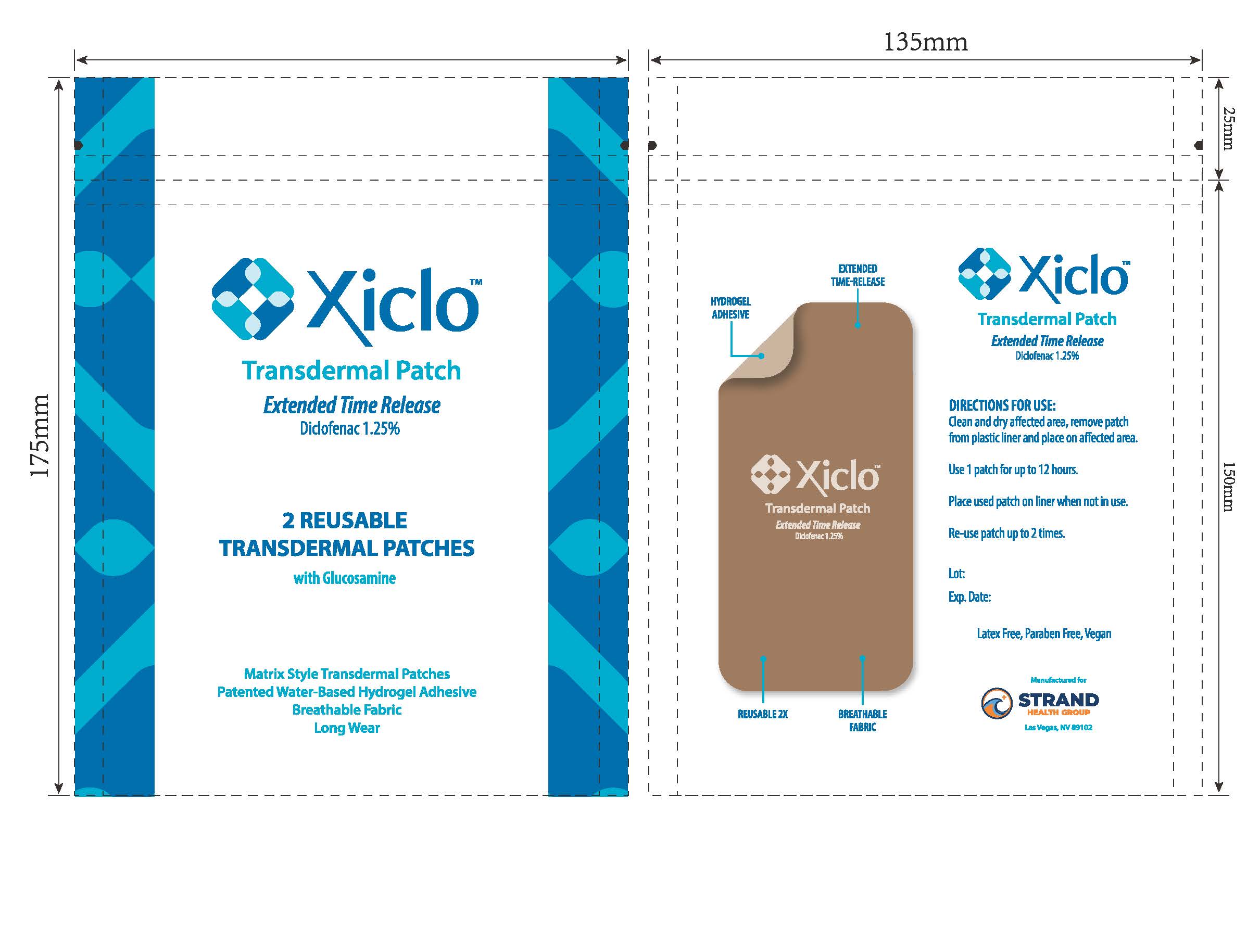
Xiclo Transdermal Patch contains 1.25% diclofenac. Each patch is 2 in x 4 in (5.08 cm x 10.16 cm) and consists of an adhesive side containing active/inactive ingredients and an outer surface backing layer. The adhesive side is covered with a removable, clear, plastic film. The outer surface of the backing layer is imprinted with the Xiclo Transdermal Patch logo.
Xiclo Usage And Indications
Adults over the age of 12 should use Xiclo Transdermal Patch to treat osteoarthritis of the joints, as well as acute and chronic pain in the muscles and joints related to strains, sprains, arthritis, simple backaches, muscle stiffness, and other conditions.
Xiclo Dosage And Administration
General Dosing Instructions
- Use Xiclo Transdermal Patch only on dry, intact (unbroken) skin.
- Use the lowest effective dosage for the shortest duration consistent with individual patient treatment goals.
- Avoid contact with eyes and mucous membranes.
- Avoid concomitant use of Xiclo Transdermal Patch on the treated skin site with other external products, including sunscreens, cosmetics, lotions, moisturizers, insect repellants, or other external medications.
- Do not use combination therapy with diclofenac and an oral NSAID unless the benefit outweighs the risk and conduct periodic assessments.
Dosing And Instructions For Use
- Tear open pouch bag and remove one patch. Place remaining patches back in pouch bag and seal pouch bag closed.
- Peel the clear plastic film away and apply Xiclo Transdermal Patch to intact skin to cover most painful area. Apply one patch per day for up to 12 hours within a 24-hour period (12 on, 12 off).
- One single Xiclo Transdermal Patch may be used twice per day. To re-use after the first application, place the clear plastic film back onto the medicated hydrogel pad.
Dosage Forms And Strengths
Xiclo Transdermal Patch contains 1.25% diclofenac. Each patch is 2 in x 4 in (5.08 cm x 10.16 cm) and consists of an adhesive side containing active/inactive ingredients and an outer surface backing layer. The adhesive side is covered with a removable, clear, plastic film. The outer surface of the backing layer is imprinted with the Xiclo Transdermal Patch logo.
Contraindications
Patients who have a history of hypersensitivity to non-steroidal anti-inflammatory drugs such diclofenac should not use Xiclo Transdermal Patch. When undergoing coronary artery bypass graft (CABG) surgery, diclofenac should not be used. It is also important to take into account any history of asthma, uticaria, or allergic-type reactions following the absorption of non-steroidal anti-inflammatory medicines (NSAIDs).
Warnings And Precautions
Risk of Severe Gastrointestinal and Cardiovascular Events
The use of nonsteroidal anti-inflammatory medicines (NSAIDs) may raise the risk of fatal cardiovascular (CV) thrombotic events, such as myocardial infarction and stroke. This danger could start early in the course of treatment and get worse with time. NSAIDs, such as diclofenac, may cause underlying hypertension to worsen or for new hypertension to develop, both of which may raise the risk of cardiovascular events. Use the lowest effective dose for the shortest amount of time to reduce the chance of a negative CV event in patients taking NSAIDs.
Patients who have recently experienced a MI should not take diclofenac external unless the benefits are anticipated to exceed the risk of subsequent CV thrombotic events. Patients with a recent MI should be closely watched for symptoms of myocardial ischemia if they are taking diclofenac externally. After coronary artery bypass graft (CABG) surgery, refrain from using NSAIDs for 14 days.
Gastrointestinal Bleeding, Ulceration, and Perforation
Nonsteroidal anti-inflammatory medicines (NSAIDs) can raise the risk of significant gastrointestinal (GI) side effects, such as bleeding, ulceration, and potentially deadly stomach or intestinal perforation. During use, these incidents might happen at any time and without any warning signs. Concomitant use of oral corticosteroids, aspirin, anticoagulants, or selective serotonin reuptake inhibitors (SSRIs) are additional factors that raise the risk of gastrointestinal bleeding in patients receiving NSAIDs.
Serious GI events are more likely to occur in older patients and those with a history of GI bleeding or peptic ulcer disease. GI bleeding is also more common in people with coagulopathy and/or severe liver illness.
Hepatotoxicity
Drug-induced hepatotoxicity can happen at any point during diclofenac treatment, although it has been documented in postmarketing reports in the first month and, in certain cases, the first two months of medication. Severe hepatic responses, such as liver necrosis, jaundice, fulminant hepatitis, both with and without jaundice, and liver failure, have been documented by postmarketing surveillance.
A liver transplant or death occurred in a few of these documented occurrences. After starting diclofenac medication, keep an eye on things for four to eight weeks. Severe liver responses, however, might happen at any point when using diclofenac.
Patients should be made aware of the warning signs and symptoms of hepatotoxicity, such as nausea, exhaustion, lethargy, diarrhea, pruritus, jaundice, discomfort in the right upper quadrant, and “flu-like” symptoms.When giving diclofenac external with concurrent medications that are known to be potentially hepatotoxic (such as acetaminophen, antibiotics, or antiepileptics), care should be taken to reduce the risk of an adverse liver-related event in patients receiving this medication.
Renal Toxicity and Hyperkalemia
- Renal Toxicity
Renal papillary necrosis and other renal damage have been linked to long-term NSAID use. Patients in whom renal prostaglandins play a compensatory role in maintaining renal perfusion have also experienced renal toxicity.
NSAID use in these individuals may result in a dose-dependent decrease in prostaglandin production and, secondarily, in renal blood flow, which could lead to overt renal decompensation. Individuals with poor renal function, dehydration, hypovolemia, heart failure, liver dysfunction, diuretics, ACE inhibitors, or ARBs, as well as the elderly, are the most vulnerable to this reaction.
Recovery to the pretreatment state typically occurred after stopping NSAID therapy. Patients with advanced renal illness should not take diclofenac external unless the benefits are anticipated to outweigh the risk of decreasing renal function. If patients with advanced renal disease are taking diclofenac, keep an eye out for any indications that their symptoms are getting worse.
- Hyperkalemia
NSAID use has been linked to increases in serum potassium content, including hyperkalemia, even in some patients without renal impairment. These effects have been linked to a hyporeninemic-hypoaldosteronism condition in persons with normal renal function.
Anaphylactic Reactions
Diclofenac has been linked to anaphylactic responses in both patients with aspirin-sensitive asthma and those without a known diclofenac hypersensitivity. In the event of an allergic response, seek emergency assistance.
Exacerbation of Asthma Related to Aspirin Sensitivity
Aspirin-sensitive asthma is a subset of asthma patients that may have severe, potentially lethal bronchospasm, chronic rhinosinusitis worsened by nasal polyps, and/or sensitivity to aspirin and other NSAIDs. people with this type of aspirin sensitivity should not take diclofenac external since cross-reactivity between aspirin and other NSAIDs has been documented in such people.
When diclofenac is administered to individuals who already have asthma, keep an eye out for any changes in their symptoms.
Serious Skin Reactions
Serious skin side effects, such as exfoliative dermatitis, Stevens-Johnson Syndrome (SJS), and potentially fatal toxic epidermal necrolysis (TEN), can be brought on by NSAIDs, especially diclofenac. Patients should be made aware of the warning signs and symptoms of severe skin responses and should stop using diclofenac externally as soon as any skin hypersensitivity manifests.
Hematologic Toxicity
Patients taking NSAIDs have had anemia. Monitor hemoglobin or hematocrit if a patient receiving diclofenac external has any anemia-related symptoms. Diclofenac is one NSAID that may raise the risk of bleeding incidents. This risk may be increased by co-morbid diseases such coagulation disorders, concurrent use of warfarin, other anticoagulants, antiplatelet medicines (like aspirin), and serotonin reuptake inhibitors (SSRIs).
Masking of Inflammation and Fever
Diclofenac’s pharmacological action in lowering fever and inflammation may make diagnostic signals less useful for identifying infections.
Sun Exposure
After using the Xiclo Transdermal Patch, advise patients to stay out of the sun, either artificial or natural, as research on animals has shown that external diclofenac therapy causes UV light-induced skin cancers to develop earlier. It is unknown how diclofenac external may affect human skin’s reaction to UV exposure.
Excessive Dosing
Diclofenac absorption may increase and blood concentrations may rise if Xiclo Transdermal Patch is used in excess. Diclofenac blood concentrations may rise as a result of longer administration times, higher dosages than advised, smaller individuals, or poor elimination.
Application-Associated Pain
The skin at the application site may experience blisters, bruising, burning sensation, depigmentation, dermatitis, discoloration, edema, erythema, exfoliation, irritation, papules, petechia, pruritus, vesicles, or be the site of abnormal sensation during or right after Xiclo Transdermal Patch treatment. Usually moderate and brief, these reactions go away on their own in a matter of minutes to hours.
Increase in Blood Pressure
Adverse cardiovascular effects may be more likely in patients with unstable or poorly managed hypertension or a recent history of cardiovascular or cerebrovascular events. Before starting Xiclo Transdermal Patch treatment, take these things into account. Throughout and after the treatment process, occasionally check blood pressure and offer sufficient assistance for any pain associated with the procedure.
Sensory Function
Sensory function declines, including those caused by heat and other hazardous stimuli, are typically slight and transient. Before receiving a prescription for Xiclo Transdermal Patch, all patients with pre-existing sensory deficiencies should be clinically evaluated for indications of sensory loss or deterioration. The continuing use of Xiclo Transdermal Patch therapy should be reevaluated if sensory loss or degradation is observed or if a pre-existing sensory deficiency gets worse.
Precautions
- Reactions to Allergies
Patients with a history of medication sensitivity should use Xiclo Transdermal Patch cautiously, particularly if the causative agent is unknown.
- Sources of External Heat
It is not advised to cover the Xiclo Transdermal Patch with external heat sources like electric blankets or heating pads.
- Exposure of the eyes
According to results from earlier research using comparable products, Xiclo Transdermal Patch should not come into contact with the eyes. If eye contact happens, clean the eye right away with saline and water, then shield it until feeling comes back.
- Non-Intact Skin
The Xiclo Transdermal Patch should only be applied to skin that is intact. enhanced discomfort and/or enhanced ingredient absorption may occur when applied to damaged or inflamed skin.
Other Adverse Events
Other reported adverse events, such as asthenia, confusion, disorientation, dizziness, headache, hyperesthesia, hypoesthesia, lightheadedness, metallic taste, nausea, anxiety, pain exacerbation, paresthesia, somnolence, taste alteration, vomiting, visual disturbances like blurred vision, flushing, tinnitus, and tremor, have not had causality established due to the nature and limitations of spontaneous reports in postmarketing surveillance.
Systemic (Dose-Related) Reactions
Because of the minimal amount absorbed, systemic adverse events are unlikely after using Xiclo Transdermal Patch as directed.
Oral Nonsteroidal Anti-Inflammatory Drugs
Rectal bleeding and aberrant creatinine, urea, and hemoglobin were more common when oral NSAIDs and diclofenac external were used concurrently. Therefore, unless the benefits outweigh the risks, avoid using combination therapy with diclofenac external and an oral NSAID. Additionally, perform routine laboratory examinations.
Overdosage
Symptoms after an acute Lethargy, drowsiness, nausea, vomiting, and epigastric pain are the usual side effects of NSAID overdoses, and they are usually treatable with supportive care. There has been intestinal hemorrhage. Although they were uncommon, hypertension, abrupt renal failure, respiratory depression, and coma have all happened. After an NSAID overdose, treat patients with supportive and symptomatic therapy. There are no particular remedies. Get in touch with your poison control center for more details about overdose treatment.
Xiclo Description
The adhesive substance that makes up Xiclo Transdermal Patch contains 1.25% diclofenac. Each patch is 2 inches by 4 inches (5.06 cm by 10.16 cm) and is composed of an exterior surface backing layer made of permeable fabric and an adhesive side that contains the active and inactive chemicals. A detachable, transparent, unprinted plastic film covers the sticky side.
The Xiclo Transdermal Patch logo is imprinted on the backing layer’s outside. Each pouch bag has two patches. Glucosamine, Polyacrylate, Vegan Glycerol, and Water are among the inert components. The Xiclo Transdermal Patch is vegan, latex-free, and paraben-free.