
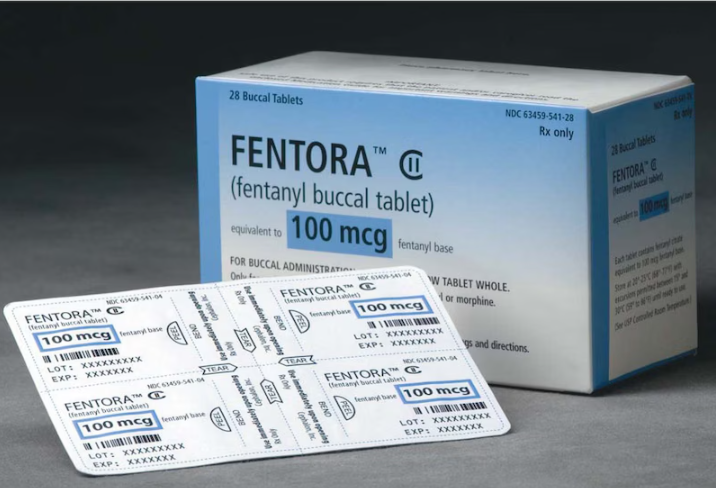
Product Description
Fentora is a medication containing fentanyl, a potent opioid pain reliever. While it can be effective for managing severe pain, there are significant risks associated with its use:
- Addiction: Fentanyl, like other opioids, has a high potential for addiction. Continued use can lead to physical dependence, where the body requires the drug to function normally.
- Overdose: Fentanyl is much stronger than other opioids like morphine or oxycodone. Taking too much Fentora can result in respiratory depression, coma, or even death.
- Respiratory Depression: Fentanyl can slow down breathing, particularly in higher doses or when combined with other central nervous system depressants like alcohol or benzodiazepines. This can be life-threatening.
- Withdrawal Symptoms: Stopping Fentora suddenly after prolonged use can lead to withdrawal symptoms such as nausea, vomiting, diarrhea, muscle pain, and anxiety.
- Tolerance: Over time, individuals may develop a tolerance to Fentora, requiring higher doses to achieve the same level of pain relief. This can increase the risk of overdose and other adverse effects.
- Misuse and Abuse: Fentora is sometimes abused for its euphoric effects. Crushing and snorting the medication or injecting it can significantly increase the risk of overdose and other complications.
- Interactions: Fentora can interact with other medications, particularly other central nervous system depressants, leading to dangerous side effects or reduced effectiveness.
- Respiratory Conditions: Individuals with pre-existing respiratory conditions, such as asthma or chronic obstructive pulmonary disease (COPD), may be at higher risk of respiratory depression when taking Fentora.
- Pregnancy and Breastfeeding: Fentora should be used with caution during pregnancy and breastfeeding, as it can pass into breast milk and potentially harm the baby.
- Accidental Exposure: Fentora is a potent medication, and accidental exposure, especially to children or pets, can lead to overdose and death. It should be stored securely and kept out of reach of others.
It’s crucial for individuals prescribed Fentora to use it exactly as directed by their healthcare provider and to be aware of the signs of overdose or other adverse effects. Additionally, regular communication with healthcare providers can help manage risks and ensure safe use.


Reviews
There are no reviews yet.